Teguise – ein Spaziergang durch die ehemalige Hauptstadt von Lanzarote
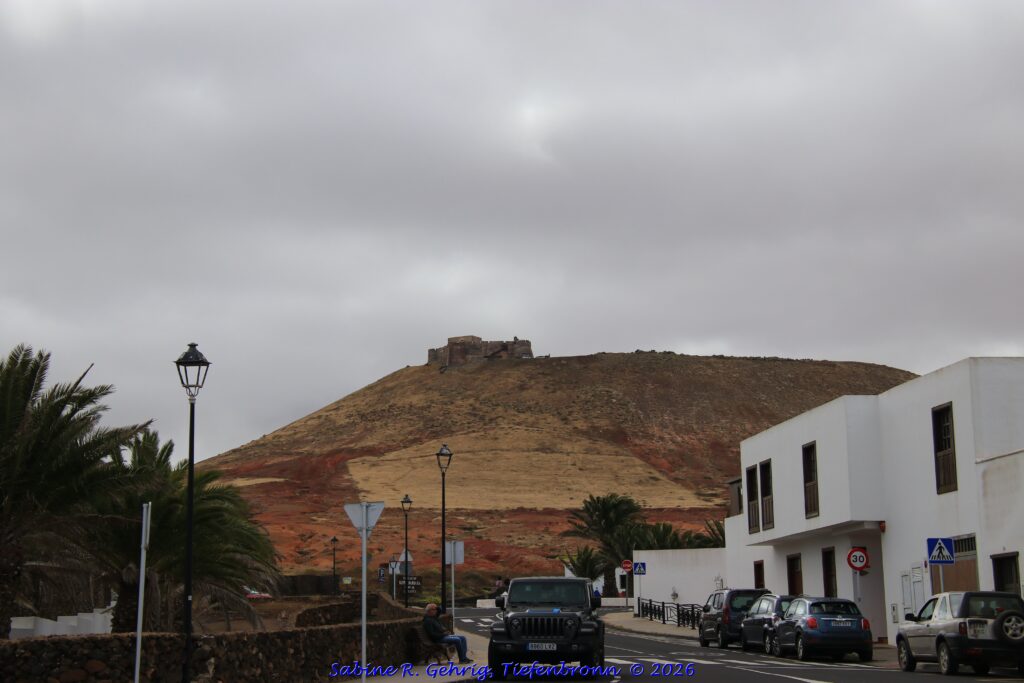
Bis 1852 war das 1406 gegründete Teguise die Inselhauptstadt, was sie zu einer der Städte mit dem größten kulturellen Erbe der Insel macht. Vom 16. bis 18. Jahrhundert war sie oft Ziel von Überfällen und Raubzügen von Piraten. Das Castillo de Santa Barbara auf dem Vulkan Guanapay war nutzlos. Heute kann man gemütlich durch die Gassen der Altstadt schlendern, ein Museum, die zentrale Kirche oder sonntags den Markt besuchen oder in einem Restaurants gemütlich essen.
English Summary
Teguise – A Stroll Through the Former Capital of Lanzarote
Founded in 1406, Teguise served as the island’s capital until 1852, making it one of the towns with the richest cultural heritage on the island. From the 16th to the 18th century, it was often the target of pirate raids and plundering expeditions. The Castillo de Santa Barbara on the Guanapay volcano proved useless. Today, you can leisurely stroll through the alleys of the old town, visit a museum, the main church, or the market on Sundays, or enjoy a leisurely meal at a restaurant.
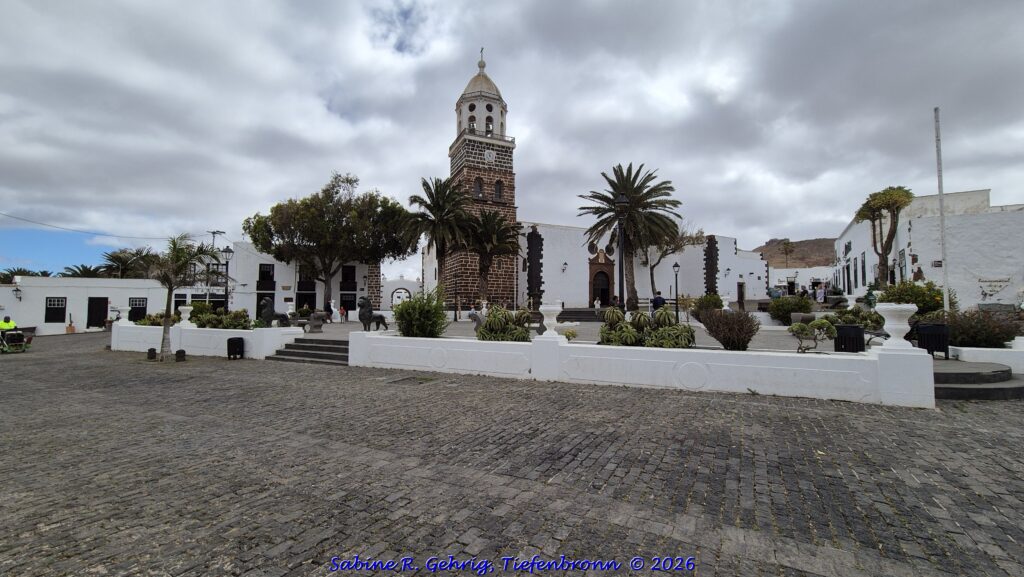
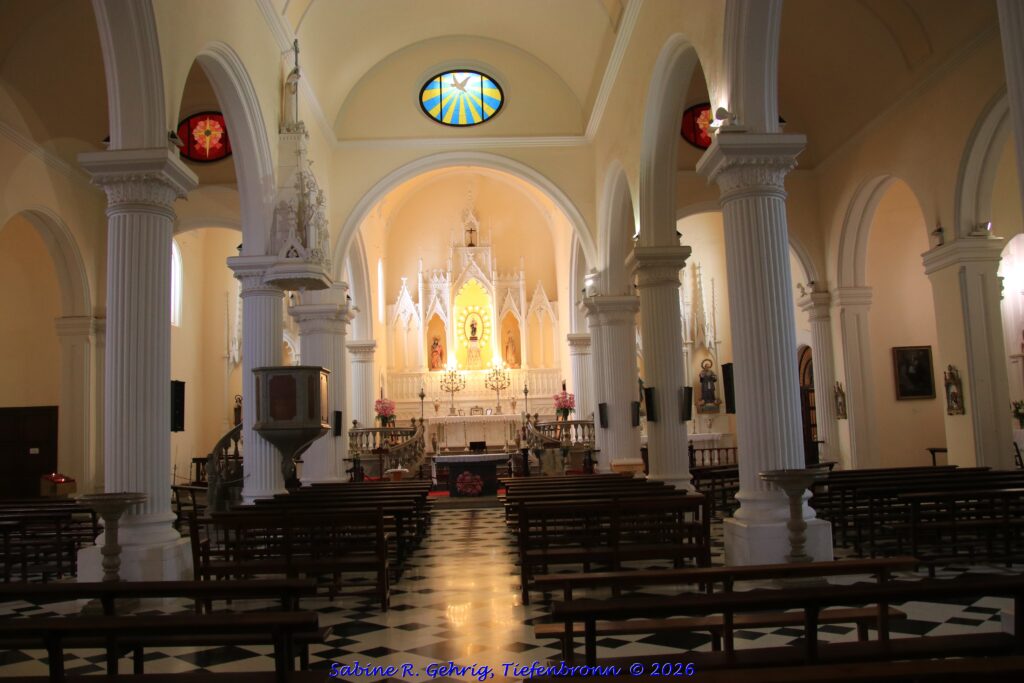
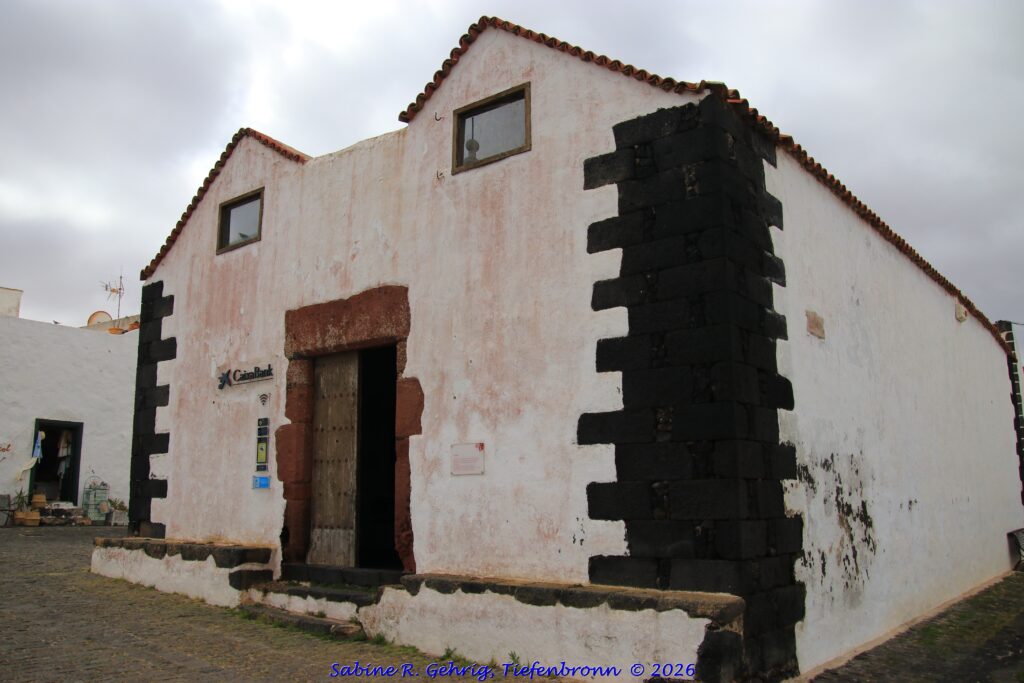
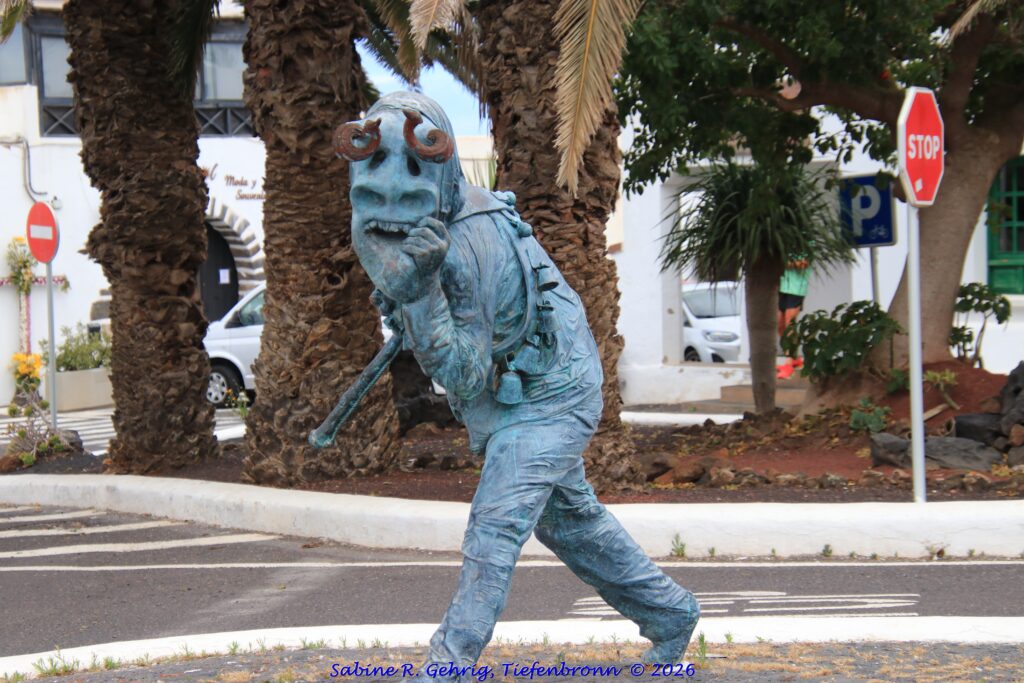
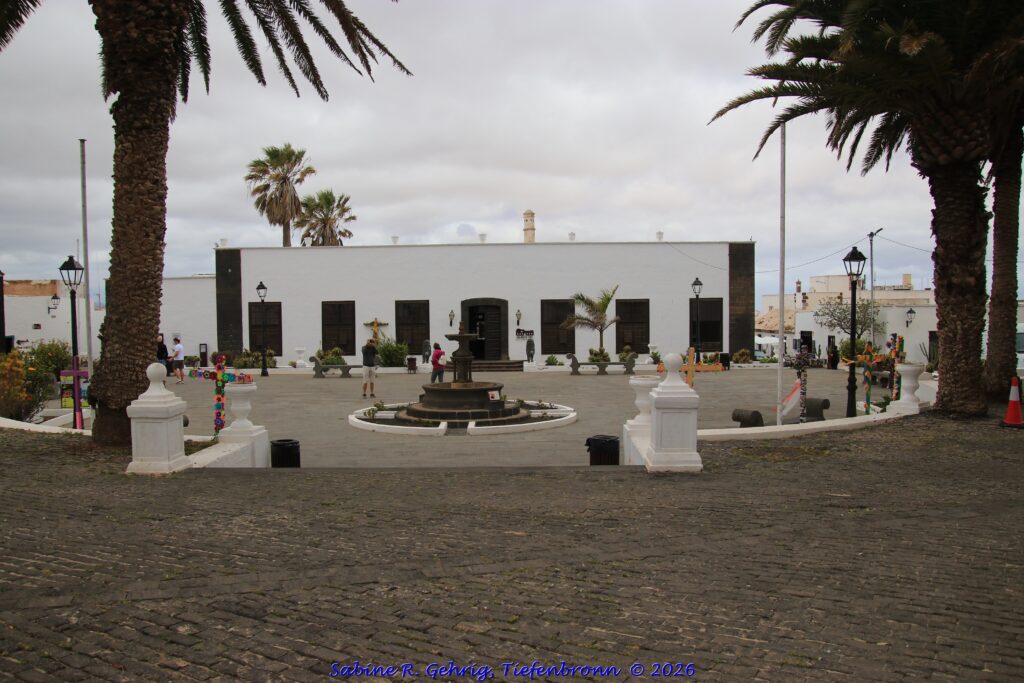
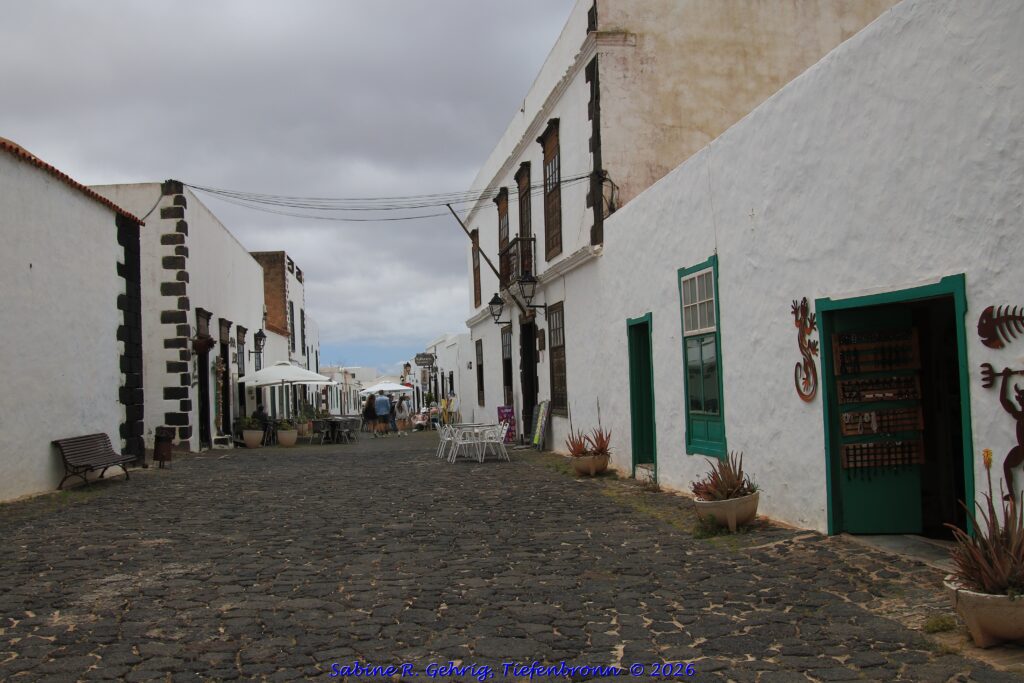
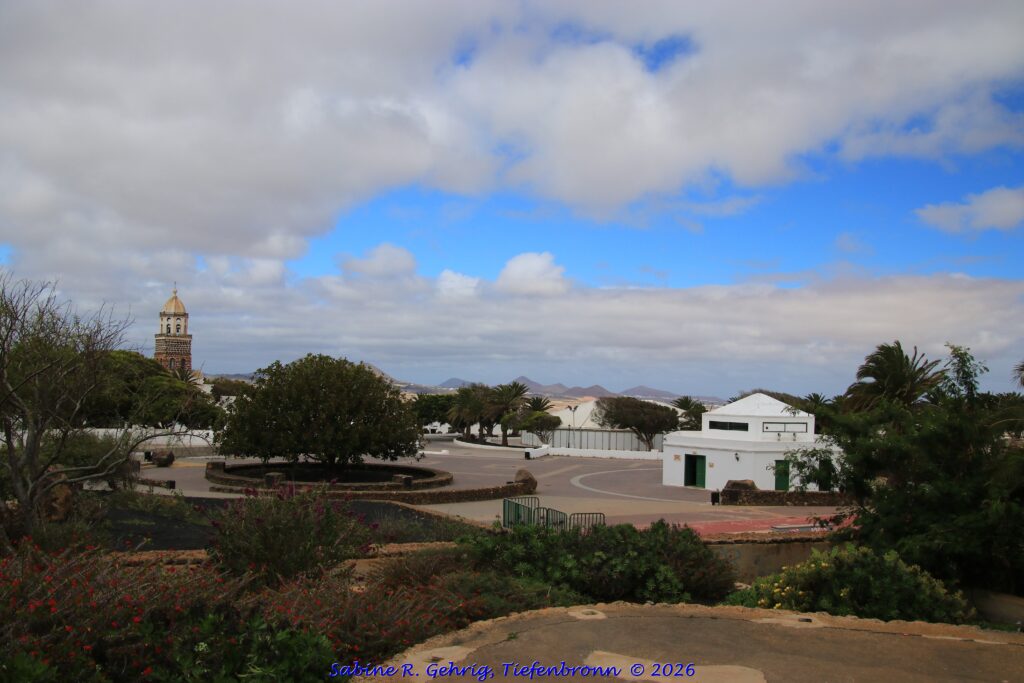
Lanzarote, Teguise – Blick über die Plaza de la Constitución zur Iglesia (Kirche) de Nuestra Señora de Guadalupe, der Glockenturm ist aus rotem Vulkangestein und ein Wahrzeichen des Ortes / View across the Plaza de la Constitución toward the Iglesia (Church) de Nuestra Señora de Guadalupe; the bell tower is made of red volcanic rock and is a local landmarkLanzarote, Teguise – Iglesia (Kirche) de Nuestra Señora de Guadalupe, Innenraum mit Blick zum Hauptaltar / Iglesia (Church) de Nuestra Señora de Guadalupe, interior with a view of the main altarLanzarote, Teguise – La Cilla, das ehemalige Zehnthaus, in dem die Abgaben an die Kirche gesammelt wurden; da es in der Piratenzeit oft zerstört wurde, stammt das heutige Gebäude von 1680; 1986 wurde das Gebäude, in dem sich heute eine Bank befindet, unter der Leitung von César Manrique restauriert / La Cilla, the former tithe house where taxes for the Church were collected; since it was often destroyed during the pirate era, the current building dates from 1680; in 1986, the building—which now houses a bank—was restored under the direction of César ManriqueLanzarote, Teguise – Blick zum Castillo Santa Barbara auf dem Vulkan Guanapay / View of Castillo Santa Barbara on the Guanapay volcanoLanzarote, Teguise – Elegua, el diablillo de Teguise, der kleine Teufel von Teguise, eine der traditionellen Figuren aus dem Karneval von Teguise / Elegua, el diablillo de Teguise, the little devil of Teguise, one of the traditional characters from the Teguise CarnivalLanzarote, Teguise – Palacio Spinola, in dem bis 1974 Adelsfamilien wohnten; danach erfolgte die Restaurierung durch César Manrique; heute beherbergt der Palast u. a. das Museo de Timple, einem traditionellen, kleinen Saiteninsturment / Palacio Spinola, which was home to noble families until 1974; it was subsequently restored by César Manrique; today, the palace houses, among other things, the Museo de Timple, a museum dedicated to a traditional, small stringed instrumentLanzarote, Teguise – Blick in die Calle Leon y Castillo, mit typischen Häusern; bequemes Schuhwerk macht die Stadterkundung angenehmer / A view of Calle Leon y Castillo with typical houses; comfortable shoes make exploring the city more enjoyableLanzarote, Teguise – Blick auf den Platz, auf dem der Sonntagsmarkt stattfindet / View of the square where the Sunday market takes place
Kommentar *